
Unlock Your Brand’s Potential: A Comprehensive Guide to Private Label Cosmetics
Discover the Strategic Advantages of Private Label Cosmetics for Modern Beauty Brands
The cosmetics industry is a dynamic and ever-evolving landscape, where innovation and brand identity are paramount. For entrepreneurs, beauty enthusiasts, and established businesses looking to expand their footprint, navigating this competitive market can seem daunting. This is where private label cosmetics emerge as a powerful, accessible, and strategic solution. Instead of undertaking the monumental task of developing products from scratch, private label allows you to launch your own branded beauty line with significantly less overhead and a faster time to market. This comprehensive guide will explore what private label cosmetics are, their strategic advantages, the manufacturing process, key considerations for choosing a partner, and what the future holds for this transformative model.
What Exactly Are Private Label Cosmetics?
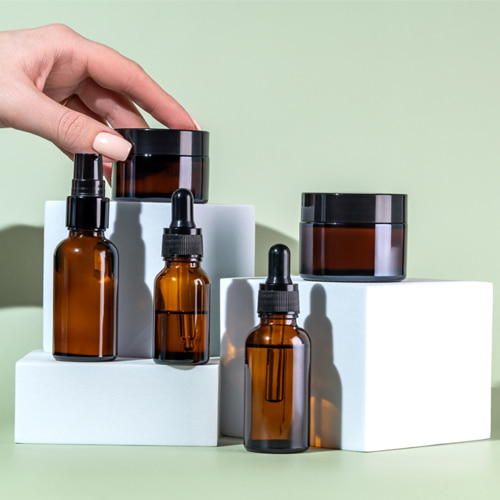
Private label cosmetics refer to beauty products manufactured by a third-party company and then sold under another brand’s name. Essentially, a manufacturer produces a standard or custom formula, and a brand then applies its own branding, packaging, and marketing to the finished product. This differs slightly from “white label,” where a generic, off-the-shelf product is simply branded. Private label often involves more customization, from tweaking formulations to creating unique packaging designs, giving brands greater control over their product’s identity and performance. The core concept empowers businesses to offer unique beauty solutions without the immense investment required for in-house research, development, and manufacturing facilities.
See More: ISF: Complete Guide to Importer Security Filing (10+2) Requirements
The Strategic Advantages of Private Label Cosmetics
Embracing private label cosmetics offers a multitude of strategic benefits that can significantly accelerate a brand’s growth and market penetration.
1. Reduced Overhead and Investment: Developing a new cosmetic product from concept to market is a capital-intensive endeavor, often costing hundreds of thousands of dollars for research, development, and manufacturing infrastructure. Private label significantly lowers this barrier, as brands leverage existing formulations and manufacturing capabilities, reducing initial investment by an estimated 70-80%. This allows for efficient capital allocation towards marketing and brand building.
2. Faster Time to Market: The beauty industry demands agility. With private label, product development cycles are dramatically shortened. Instead of 18-24 months for concept-to-launch, private label products can often go from idea to retail shelf in 3-6 months. This speed enables brands to capitalize on emerging trends and respond rapidly to consumer demand.
3. Brand Control and Customization: Despite using a third-party manufacturer, private label offers substantial brand control. Brands can select specific formulations, customize ingredients (within limits), design unique packaging, and dictate marketing narratives. This ensures the final product aligns perfectly with the brand’s vision and target audience. Market data indicates that personalized product experiences drive up to 20% higher conversion rates.
4. Scalability and Flexibility: As your brand grows, private label partners can easily scale production to meet increasing demand without requiring additional investment in facilities or equipment from your end. This flexibility is crucial for managing inventory and responding to market fluctuations, supporting growth from niche start-ups to established players.
5. Focus on Core Competencies: By outsourcing manufacturing, brands can dedicate their resources and expertise to what they do best: marketing, sales, customer engagement, and brand storytelling. This strategic focus enhances overall business efficiency and competitive advantage.
Navigating the Private Label Cosmetics Manufacturing Process
The journey from concept to launch with private label cosmetics involves several distinct phases, each crucial for the success of your product line.
1. Product Concept & Selection: This initial stage involves defining your product vision, target audience, and desired product categories (e.g., skincare, makeup, haircare). You’ll typically browse a manufacturer’s existing catalog or discuss custom formulation possibilities. Defining key attributes like ingredient preferences (e.g., vegan, organic), active ingredients, and aesthetic goals is paramount here.
2. Formulation & Sample Review: If a custom formulation is desired, the manufacturer’s R&D team will work to create it. For existing formulas, you’ll receive samples for testing. This phase is iterative, allowing for adjustments to texture, scent, efficacy, and color until the product perfectly meets your specifications. User feedback on these samples can be invaluable.
3. Packaging Design & Sourcing: Simultaneously, you’ll work on packaging. This includes selecting containers (bottles, jars, tubes), closures, and designing labels, boxes, and any secondary packaging. Packaging must not only be visually appealing but also functional, compliant with regulations, and compatible with the product formulation. Manufacturers often have in-house design capabilities or can recommend trusted partners.
4. Production & Quality Control: Once formulations and packaging are approved, mass production begins. Reputable private label manufacturers adhere to Good Manufacturing Practices (GMP) and rigorous quality control protocols. This includes testing raw materials, in-process checks, and final product quality assurance to ensure consistency, stability, and safety across every batch.
5. Fulfillment & Logistics: After production, products are packaged and prepared for shipment. Manufacturers can often assist with warehousing, labeling, and direct shipping, streamlining your supply chain. Efficient logistics ensure products arrive at your distribution centers or directly to consumers promptly and intact.
Key Considerations When Choosing a Private Label Cosmetics Partner
Selecting the right partner for your private label cosmetics venture is a critical decision that will impact your brand’s success. Diligence in this phase pays significant dividends.
1. Expertise and Experience: Look for manufacturers with a proven track record in the specific product categories you’re interested in. Inquire about their R&D capabilities, regulatory knowledge, and history with brands similar to yours. A manufacturer with 10+ years in skincare, for instance, offers more reliability than a generalist.
2. Certifications and Compliance: Ensure the manufacturer adheres to relevant industry standards such as ISO 22716 (GMP for cosmetics), FDA regulations (for the US market), and EU Cosmetics Regulation (for European markets). Certifications like organic, vegan, or cruelty-free are also crucial if these align with your brand’s values. Ask for proof of these certifications.
3. Minimum Order Quantities (MOQs): MOQs can vary significantly between manufacturers and product types. Understand their requirements and ensure they align with your business model and financial capacity. Some partners offer lower MOQs (e.g., 500-1,000 units) for emerging brands, while others cater to larger volumes.
4. Communication and Transparency: A strong partnership hinges on clear and consistent communication. Assess their responsiveness, willingness to provide updates, and transparency regarding processes, timelines, and potential challenges. A reliable partner will keep you informed every step of the way.
5. Quality Control and Testing: Inquire about their quality control procedures, testing protocols (stability testing, compatibility testing, microbial testing), and their process for addressing any quality issues. Ensuring product safety and efficacy is non-negotiable.
The Future of Private Label in the Cosmetics Industry
The landscape for **private label cosmetics** is poised for continued growth and innovation, driven by evolving consumer preferences and technological advancements. The rise of e-commerce platforms has democratized access to markets, allowing small brands to compete effectively. Sustainability is becoming a non-negotiable aspect, with consumers increasingly demanding eco-friendly packaging, ethically sourced ingredients, and cruelty-free formulations. Private label manufacturers are responding by offering greener alternatives and sustainable practices. Furthermore, the demand for hyper-customization and personalized beauty solutions will push the boundaries of private label, allowing for even greater product differentiation. As the beauty industry continues its rapid expansion, private label will remain a vital strategy for brands seeking efficiency, innovation, and a distinct presence in the market.
Frequently Asked Questions (FAQ)
What is the minimum order quantity (MOQ) for private label cosmetics?
The minimum order quantity (MOQ) for private label cosmetics varies significantly based on several factors, including the specific manufacturer, the complexity of the formulation, the type of packaging chosen, and the specific raw materials involved. Generally, MOQs can range from as low as 500 to 1,000 units for simpler, off-the-shelf formulations with standard packaging, extending up to 5,000 or even 10,000 units for highly customized formulations or specialized packaging components. For example, a manufacturer producing a standard liquid lipstick formula in a generic tube might offer a lower MOQ, potentially around 1,000 units, due to established production lines and readily available components. Conversely, a custom serum requiring unique active ingredients and specialized airless pump packaging could necessitate an MOQ of 5,000 units or more to justify the setup costs, ingredient procurement, and custom tooling. Factors such as the cost of raw materials, the manufacturer’s efficiency in batch production, and their supplier relationships for packaging also play a crucial role in determining these thresholds. It is essential for brands to openly discuss their desired product specifications and projected volumes with potential manufacturers to find a partner whose MOQs align with their initial business strategy and scaling capabilities.
How long does it typically take to launch a private label cosmetic product?
The typical timeline for launching a private label cosmetic product can range from 3 to 12 months, largely depending on the degree of customization, the complexity of the formulation, and the efficiency of communication between the brand and the manufacturer. For a relatively straightforward product using an existing formulation with standard packaging, the process might be closer to the 3-6 month mark. This timeline generally includes: initial consultation and product selection (2-4 weeks), sample review and approval (4-8 weeks, allowing for revisions), packaging sourcing and design (4-8 weeks), regulatory compliance checks and stability testing (4-8 weeks), and finally, manufacturing and filling (4-8 weeks). More complex projects, such as those requiring entirely new formulations, extensive ingredient sourcing, specialized clinical testing, or custom-designed packaging molds, can easily extend beyond 6 months, potentially reaching 9-12 months. For instance, developing a novel anti-aging serum with new active ingredients often requires 8-12 weeks for R&D alone, followed by 12-16 weeks for stability, compatibility, and efficacy testing. Furthermore, delays can arise from supply chain issues for specific ingredients or packaging components, regulatory hurdles in target markets, or extended periods for client approvals. Efficient project management and clear communication are paramount to maintaining the shortest possible launch timeline.
What regulatory compliance issues should I be aware of when entering the private label cosmetics market?
Navigating regulatory compliance is a critical aspect of launching **private label cosmetics** to ensure product safety, efficacy, and legality in target markets. In the United States, the Food and Drug Administration (FDA) regulates cosmetics, primarily focusing on safety and proper labeling. While cosmetic products do not require pre-market approval, they must not be adulterated or misbranded. Key requirements include accurate ingredient lists (INCI names), cautionary statements, net content declarations, and ensuring claims are not drug claims unless the product is registered as an over-the-counter drug. For products marketed in the European Union, the EU Cosmetics Regulation (EC) No 1223/2009 is much stricter, requiring a designated Responsible Person (RP) within the EU, a detailed Product Information File (PIF) for each product, and notification to the Cosmetic Product Notification Portal (CPNP) before market entry. The PIF must contain a Cosmetic Product Safety Report (CPSR) conducted by a qualified safety assessor. Additionally, adherence to Good Manufacturing Practices (GMP), such as ISO 22716, is crucial globally to ensure consistent production and quality control. Brands must also consider specific ingredient restrictions, heavy metal testing, allergen declarations, and, if applicable, claims like “vegan,” “organic,” or “cruelty-free” which may require third-party certifications. Understanding the specific regulations of each target market and ensuring your private label manufacturer complies with them is essential to avoid legal issues and product recalls.
Conclusion
Private label cosmetics offer an unparalleled opportunity for brands to enter and thrive in the competitive beauty market. By leveraging established manufacturing expertise and infrastructure, businesses can achieve rapid product launches, maintain strong brand control, and significantly reduce operational overhead. From defining your product vision to selecting the right manufacturing partner and navigating crucial regulatory landscapes, each step in the private label journey is an opportunity to craft a unique and impactful beauty line. As consumer demands shift towards greater customization, sustainability, and transparency, the private label model is uniquely positioned to adapt and deliver. Embrace the power of private label to transform your beauty aspirations into a tangible, successful brand, setting a new standard for innovation and customer satisfaction in the dynamic world of cosmetics.